Nature - Cooper Hewitt, Smithsonian Design Museum Triennial:
The Monarch Butterfly population has declined by more than 80% over the past two decades, placing the species on the threshold of functional extinction along its North American migration corridor. The primary drivers of this collapse are well documented: anthropogenic climate change has disrupted the phenological timing of the monarch's migration cycle, while the widespread agricultural use of herbicides — particularly those targeting milkweed — has systematically eliminated the species' only larval food source and the primary resting habitat along its 3,000-mile overland migration route from Mexico to Canada. The result is a feedback loop in which each successive generation of butterflies encounters a more degraded and fragmented habitat network than the last.
The Monarch Sanctuary is a speculative research prototype developed at Terreform ONE that proposes the commercial building envelope as an instrument of ecological remediation. The design takes the form of a double-skin façade system — a 4-foot-wide interstitial enclosure affixed to the exterior of a commercial development in Nolita, New York City — conceived specifically to provide food, rest, and shelter habitat for monarch butterflies and other pollinators within a dense urban context. Rather than treating ecological infrastructure as a separate addition to the built environment, the project argues that the redundant thermal envelope of a commercial building can itself be reprogrammed as a living corridor that reconnects fragmented habitat patches across the urban fabric.
A full-scale prototype section of the façade was developed for the 2019 Cooper Hewitt Design Triennial: Nature, the Smithsonian Design Museum's flagship triennial exhibition. The prototype demonstrates the structural and material logic of the system: a steel backplate assembly anchors a series of modular concrete panel elements, each cast with a distinct surface condition — moss panels providing moisture and microclimate regulation, nectar feeder panels offering nutrition, mud panels supporting nesting behavior, and flower panels establishing visual and olfactory habitat cues. The fabrication involved close collaboration with BASF for the development and casting of the concrete panel mix designs, and with Bednark Studio for the waterjet-cut steel backplates and the assembly and installation of the main MDF structural core.

Biofaçade

Elevation

Interstitial space

Interstitial space

Interstitial space

Interstitial space

Interstitial space
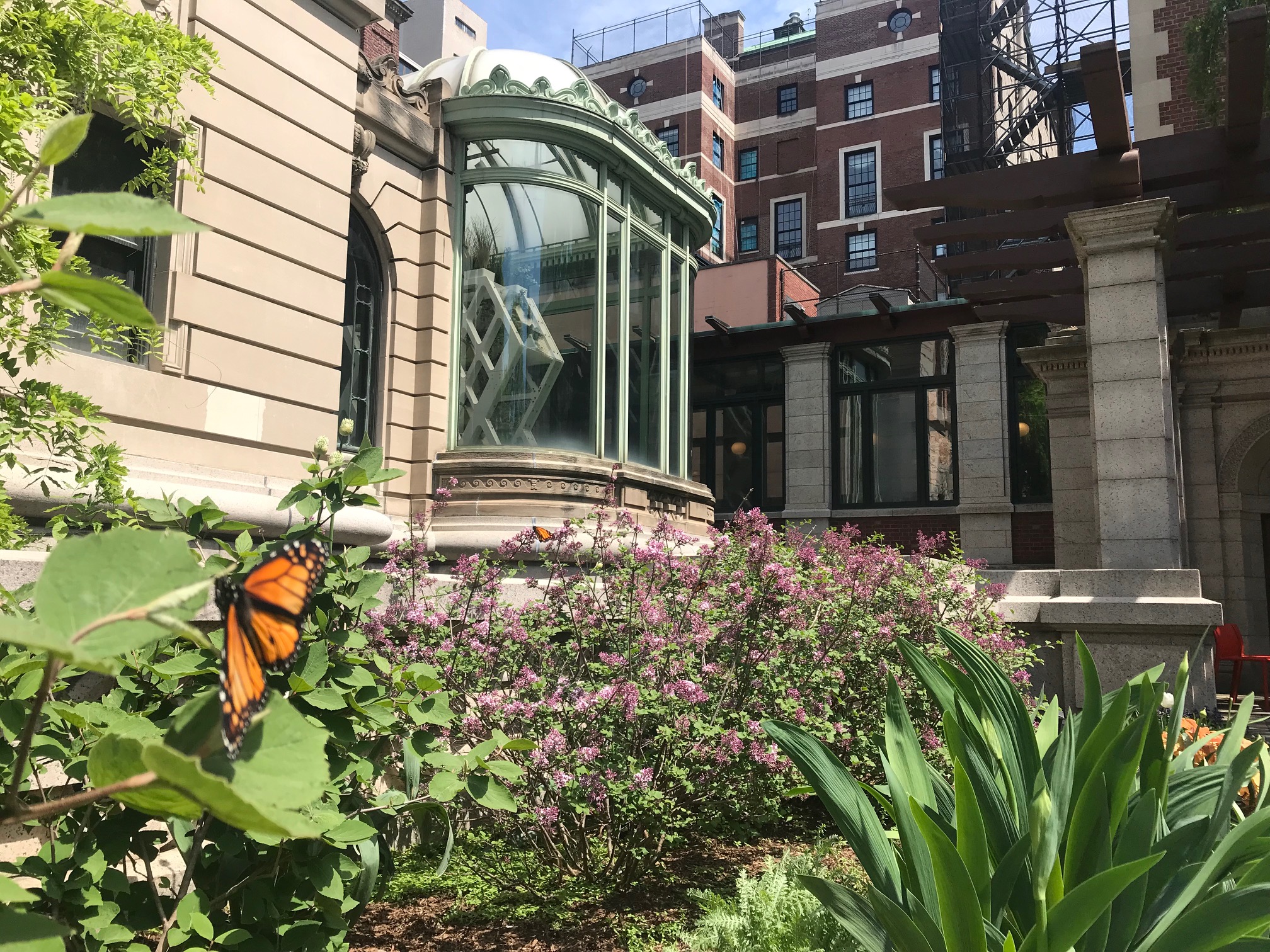
Exterior
Concrete panels:
We collaborated with BASF for the fabrication of the final pieces. I provided recommendations for the concrete mix in order to meet our specifications: lightness, sustainable construction and minimization of Portland cement used, and silicone molding for the experimental casts during exploration phase. I also technical support in the form of renderings and detailing throughout the collaboration.

Moss panel

Nectar feeder panel

Mud panel

Flower panel

Moss panel

Nectar feeder panel

Mud panel

Flower panel

Pouring

Leveling

Extraction

First iteration

Mechanical parts

Attachment method

3D Prints

Concrete mosaic
Backplate:
Bednark provided their waterjet cutter for the fabrication of the piece. I analyzed the backplate under 200lb loading to identify the appropriate backplate thickness.

Steel backplate
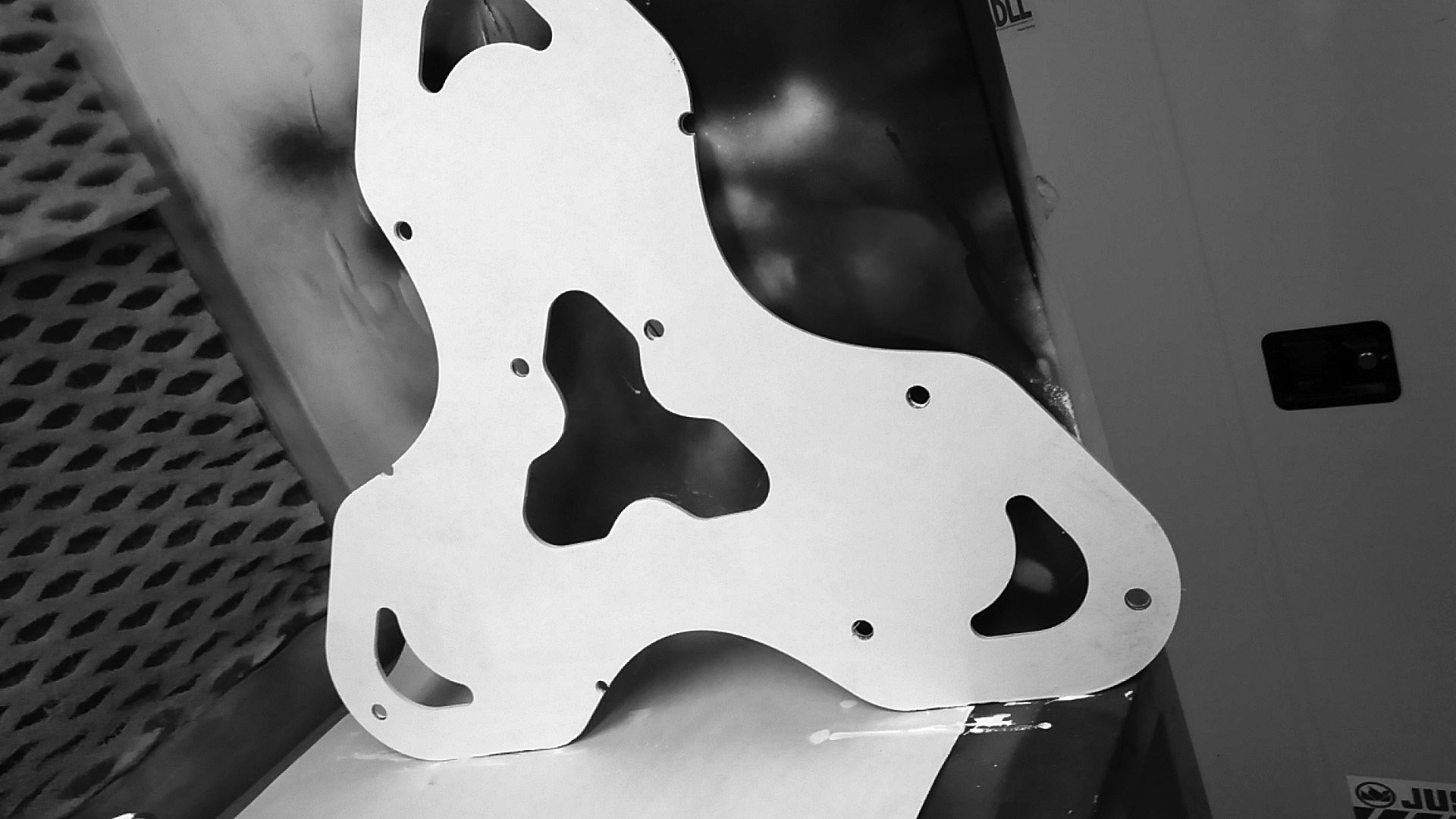
Final backplate

Final backplates

Backplate drilling
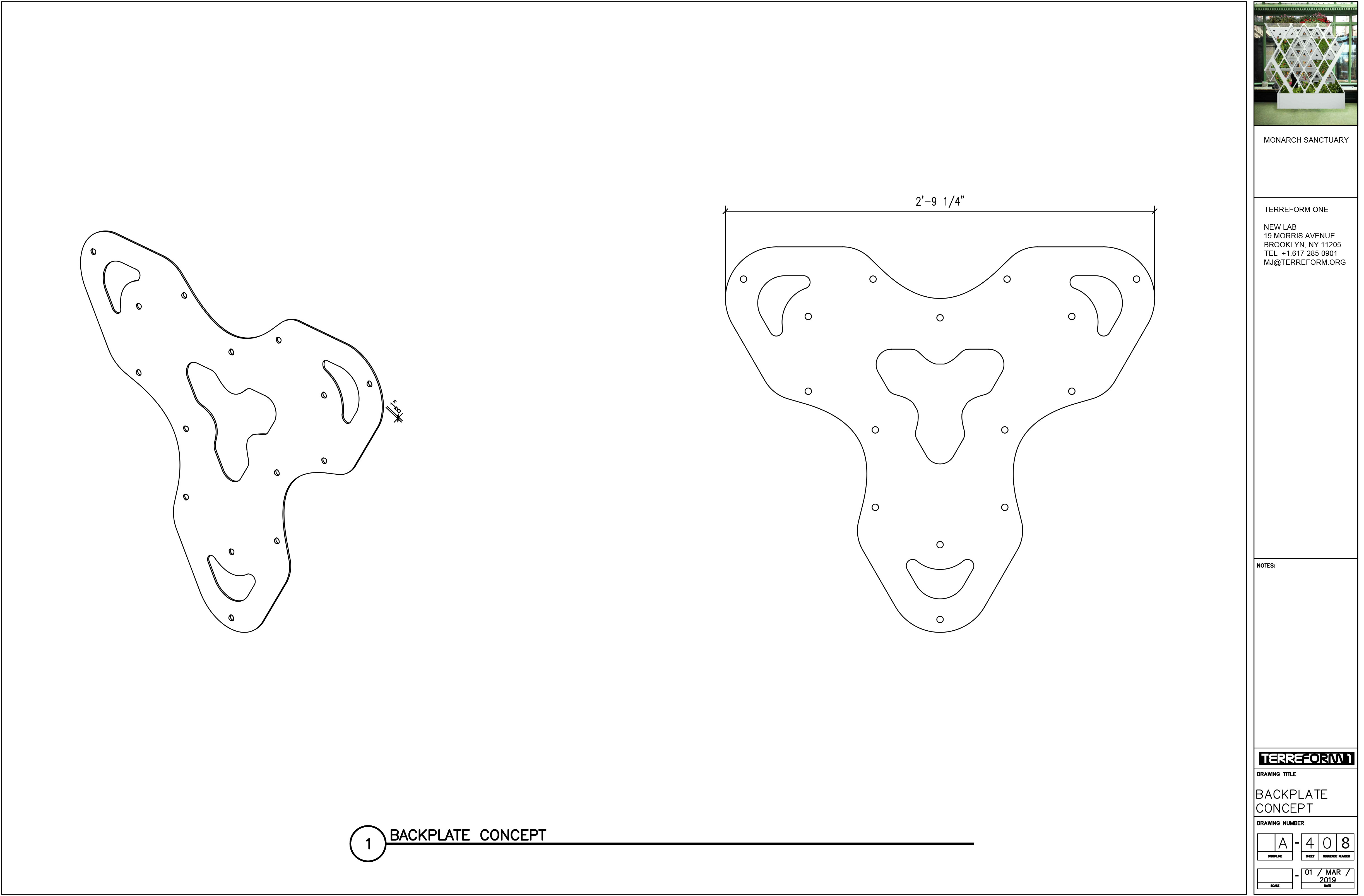
Backplate detailing

Panel assembly section
Main structure:
Bednark provided their equipment and installers for the final fabrication of the piece. I performed a structural analysis of the structure to ensure stability under loading (1000lbs. of concrete panels and steel backplates, as well as the miscellaneous elements that were mounted on the front and back walls), drafted the sheets & assisted in toolpath writing for the routing of the MDF elements, sourced mechanical components and performed screw spacing calculations to secure the pieces.

Assembly

Glue-laminated MDF prototype

Glue-laminated MDF prototype

Glue-laminated MDF prototype

Front wall sample toolpath

Back wall sample toolpath
Team:
Principal Investigator: Mitchell Joachim
Design research team: Nicholas Gervasi, Zach Saunders, Sabrina Naumovski, Xinye Lin, Jules Pepitone.
Tools & methods:
Rhinoceros, RhinoCAM, Grasshopper, AutoCAD, V-Ray, Photoshop, Illustrator, Silicone molding.